As a clinic owner, you are likely always looking for that missing piece of the puzzle: the tool or strategy that will help your patients recover faster while simultaneously driving business growth. In a competitive healthcare landscape, standing out requires more than just excellent manual skills. It requires innovation and a strategic approach that acts as a form of business therapy for your practice.
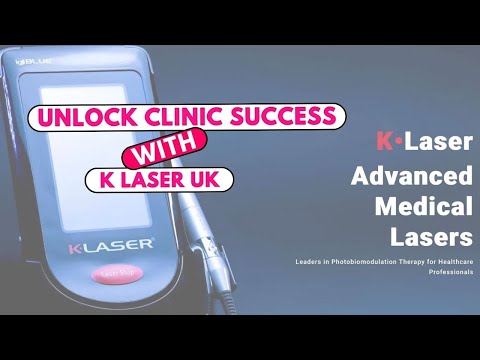
In a recent episode of the Treat Your Business podcast, I sat down with Dr. Stephen Barabas, the Medical Director of VBS Medical, to explore a technology that is currently revolutionising private practices across the UK: K-Laser therapy. Whether you are a physiotherapist, osteopath, podiatrist, or sports therapist, understanding the intersection of clinical excellence and smart technology is vital for your long-term success.
The Science Behind the Results: Why K-Laser is Different
Many practitioners are hesitant about new technology because they want to ensure it is rooted in solid science. Laser therapy, or photobiomodulation, is not a new concept, but the technology has advanced significantly. Dr. Stephen explains that the effectiveness of a laser comes down to three critical factors: power, wavelength, and pulsing.
K-Laser therapy works by delivering specific wavelengths of light into the tissue to stimulate cellular activity. This process increases circulation, bringing oxygen and nutrients to the injured area, which accelerates the natural healing process. Unlike older, lower-powered lasers, modern K-Laser devices can reach deeper tissues, making them effective for everything from superficial wounds to deep-seated joint issues.
By using a combination of wavelengths, the laser can simultaneously target pain reduction, inflammation control, and tissue repair. For the clinician, this means you are not just masking symptoms: you are facilitating a biological change that leads to more permanent recovery for your patients.
Transforming Patient Outcomes and Satisfaction
The primary goal of any healthcare professional is to get their patients back to doing what they love. When a patient experiences rapid relief from chronic pain or a significant reduction in recovery time after surgery, they become your biggest advocates.
Dr. Stephen highlighted that laser therapy is particularly effective for conditions that are often difficult to treat with manual therapy alone. These include:
- Chronic osteoarthritis and joint pain
- Tendinopathies and sports injuries
- Post-surgical rehabilitation
- Neuropathic pain
- Slow-healing wounds or ulcers (particularly in podiatry)
When you integrate laser therapy into your treatment plans, you are offering a multi-modal approach. You can use the laser to settle acute pain and inflammation, which then allows you to begin manual therapy and exercise prescription much earlier than would otherwise be possible. This synergy leads to better results and, crucially, a better patient experience.
The Business Case: ROI, Differentiation, and Business Therapy
Investing in high-end medical technology like a K-Laser is a significant decision. However, it is essential to view this through the lens of return on investment (ROI) rather than just as a capital expense. For many owners, taking a step back to look at the health of their practice in this way is a vital exercise in business therapy, helping to move the clinic from a state of plateau to one of growth.
Creating New Revenue Streams
One of the most effective ways to utilise laser therapy is by offering treatment packages. Instead of charging a small premium per session, many successful clinics bundle laser therapy into a comprehensive recovery programme. This not only ensures the patient receives the necessary dosage for the best results but also provides the clinic with upfront, predictable revenue. This shift in pricing strategy is a core component of business therapy, as it stabilises cash flow and improves the clinic's financial resilience.
Increasing Word of Mouth
In the world of private healthcare, word of mouth is your most powerful marketing tool. When patients experience a "wow" factor because their pain has decreased significantly after just two or three sessions, they talk about it. They tell their friends, family, and colleagues about the "amazing laser" at your clinic. This organic growth is invaluable and reduces your overall marketing spend.
Differentiation in the Local Market
If there are five physiotherapy clinics in your local area, why should a patient choose yours? Being the only clinic in your town to offer advanced K-Laser therapy provides a unique selling point. It positions you as a forward-thinking leader in your field who is committed to investing in the latest technology for patient care.
Making Technology Accessible: Leasing and Support
A common barrier for many UK clinic owners is the initial cost of equipment. However, Dr. Stephen pointed out that the majority of clinics choose to lease their equipment.
Leasing allows you to spread the cost over a period of three to five years. In many cases, treating just two to three patients a week with laser therapy can cover the entire monthly lease payment. This means the device can become profit-generating from the very first month. Furthermore, leasing often carries tax benefits for UK businesses, making it a highly efficient way to apply business therapy to your clinical toolkit.
Integration does not stop at the purchase. VBS Medical provides comprehensive training and marketing support to ensure your team feels confident using the device and knows how to communicate its benefits to patients. Success with new technology requires a team that is fully on board and understands the "why" behind the treatment.
Expanding Horizons: Podiatry and Women’s Health
While laser therapy is a natural fit for musculoskeletal clinics, its applications are expanding. In podiatry, K-Laser is becoming a gold standard for treating fungal nail infections, plantar fasciitis, and diabetic ulcers. The ability to offer non-invasive, drug-free solutions for these stubborn conditions is a massive advantage.
Furthermore, there is an emerging and exciting use for laser therapy in women’s health and pelvic floor rehabilitation. As we continue to look for ways to support patients through various life stages, technology like laser and radiofrequency therapy (such as Indiba) will play an increasingly prominent role.
Practical Steps to Integrate Laser Therapy
If you are considering adding laser therapy to your clinic, here are three actionable steps to get started:
- Evaluate Your Patient Demographics: Look at your current caseload. How many of your patients are struggling with chronic pain or slow-healing injuries that could benefit from accelerated repair?
- Book a Demonstration: You wouldn't buy a car without a test drive. Arrange a free trial or demonstration to see the equipment in action and feel the results for yourself.
- Plan Your Marketing: Before the device even arrives, think about how you will announce it to your database. Consider an introductory offer or an educational evening for your existing patients to build excitement. This proactive planning is an essential part of the business therapy required to ensure a new service succeeds.
Conclusion
Investing in your clinic is about more than just buying new gadgets: it is about enhancing the value you provide to your community. Laser therapy, specifically through the advanced capabilities of K-Laser, offers a rare opportunity to improve clinical outcomes while simultaneously boosting your business's bottom line.
By embracing innovation and engaging in a bit of business therapy for your practice, you are not only helping your patients live pain-free lives but also ensuring that your clinic remains a thriving, competitive, and profitable business for years to come.
To hear the full conversation with Dr. Stephen Barabas and dive deeper into the clinical and business benefits of laser therapy, listen to the full episode of the Treat Your Business podcast.
Special Offer for Listeners: To learn more about K-Laser and book your free trial, visit vbsmedical.com. Quote "THRIVE" when you contact them to receive a free set of goggles or Indiba cream with your equipment purchase.
Listen to the full episode here: S10 EP03 Unlocking the Power of Laser Therapy